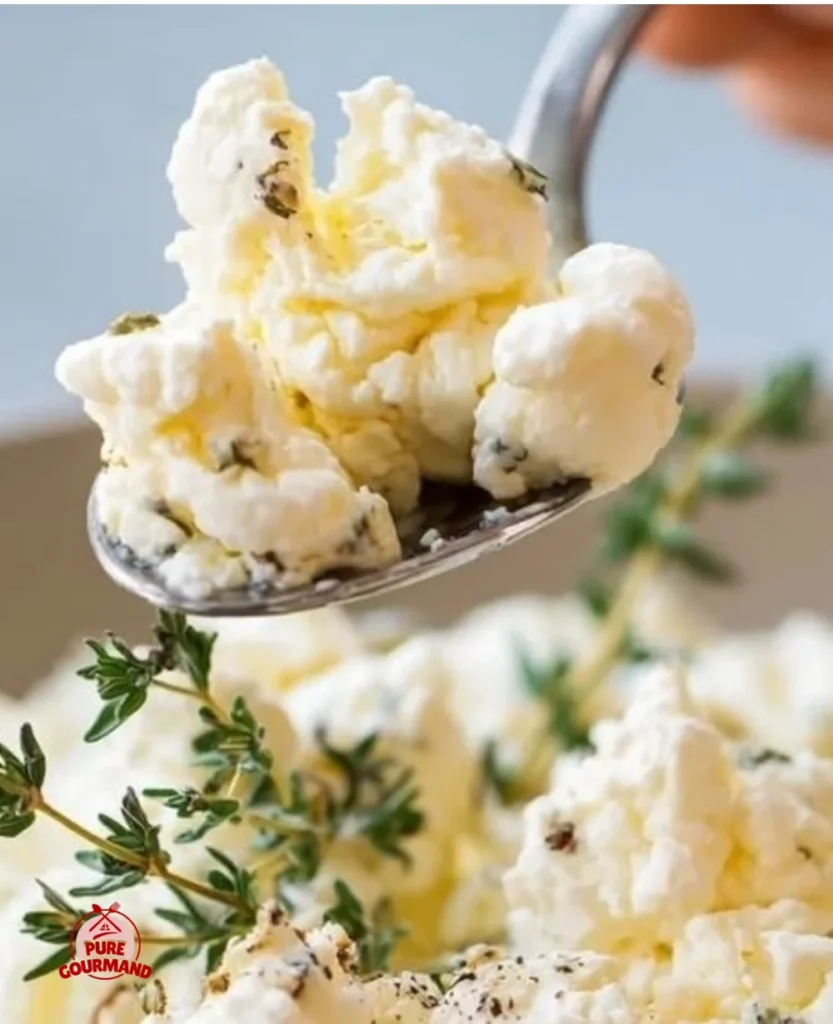
Cheese curds are a delightful and versatile treat that you can enjoy warm or as an ingredient in various dishes. Making your own cheese curds at home is not only satisfying but also offers a fresh, squeaky snack full of flavor. Let’s explore how you can create these tasty morsels in your kitchen.
Why make this recipe
Making cheese curds is a rewarding kitchen project that allows you to enjoy the process of transforming simple ingredients into something truly delicious. Fresh cheese curds have a unique texture and taste that is hard to find in stores. Plus, you can customize them with herbs or enjoy them plain!
Ingredients
- 1 gallon whole milk (not ultra-pasteurized)
- 1/4 cup distilled white vinegar or 1 1/2 teaspoons citric acid dissolved in 1/4 cup cool water
- 1 teaspoon kosher salt (plus more to taste)
- Optional: 1 tablespoon fresh herbs, finely chopped (such as thyme or chives)
How to make it
- Pour the milk into a large pot and warm over medium heat, stirring occasionally, until it reaches 195°F. Do not let it boil.
- Remove from heat. Slowly drizzle in the vinegar or citric acid solution while stirring gently.
- Let sit undisturbed for 15 minutes until curds form and whey is clear.
- Check for a clean break: cut through the curd with a spoon; if it separates cleanly, proceed. If not, rest for 5 more minutes.
- Cut the curd into 1-inch cubes with a knife or spatula. Let rest for 5 minutes to firm.
- Gently reheat curds to 110°F over low heat, stirring occasionally, about 5 minutes. Do not break curds.
- Drain curds in a colander lined with butter muslin. Let drain for 5 minutes, then gather cloth and gently squeeze out excess whey.
- Transfer to a bowl, add salt and herbs if using, and toss gently. Serve warm for best squeak.
How to serve it
Cheese curds are delightful when served warm and can be enjoyed on their own or added to salads, poutine, or casseroles. Their squeaky texture makes for a fun snack, especially when paired with a dip or fresh vegetables.
How to store it
If you have any leftovers, store your cheese curds in an airtight container in the refrigerator. They are best enjoyed within a few days, though their freshness may decrease over time. You can also freeze them for longer storage, but they may lose some texture.
Helpful tips
- Make sure to use whole milk that is not ultra-pasteurized, as it affects the curd formation.
- Use a thermometer for precise heating; accurate temperatures are crucial to achieve the best texture.
- Experiment with different herbs for unique flavors.
Optional variations
- Add spices such as garlic powder or paprika for a flavor boost.
- Try infusing the curds with different herbs like basil or dill for varied taste options.
Frequently asked questions
Can I use low-fat milk for this recipe?
It’s best to stick with whole milk because low-fat or skim milk won’t form curds properly and may lead to disappointing results.
How can I tell if the curds are done?
You know the curds are ready when they have a clean break—a sharp knife or spoon should cut through without struggle.
Can I make cheese curds without vinegar?
Yes, you can use citric acid as an alternative to vinegar if you prefer, just be sure to dissolve it in cool water first.