introduction
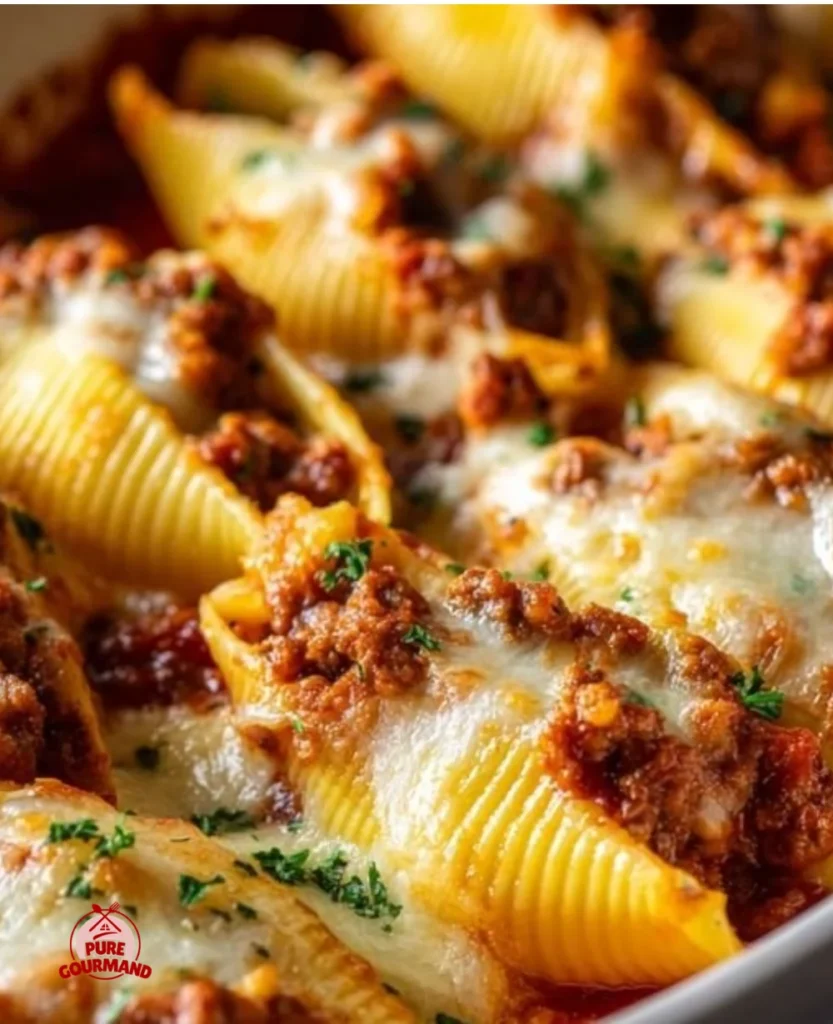
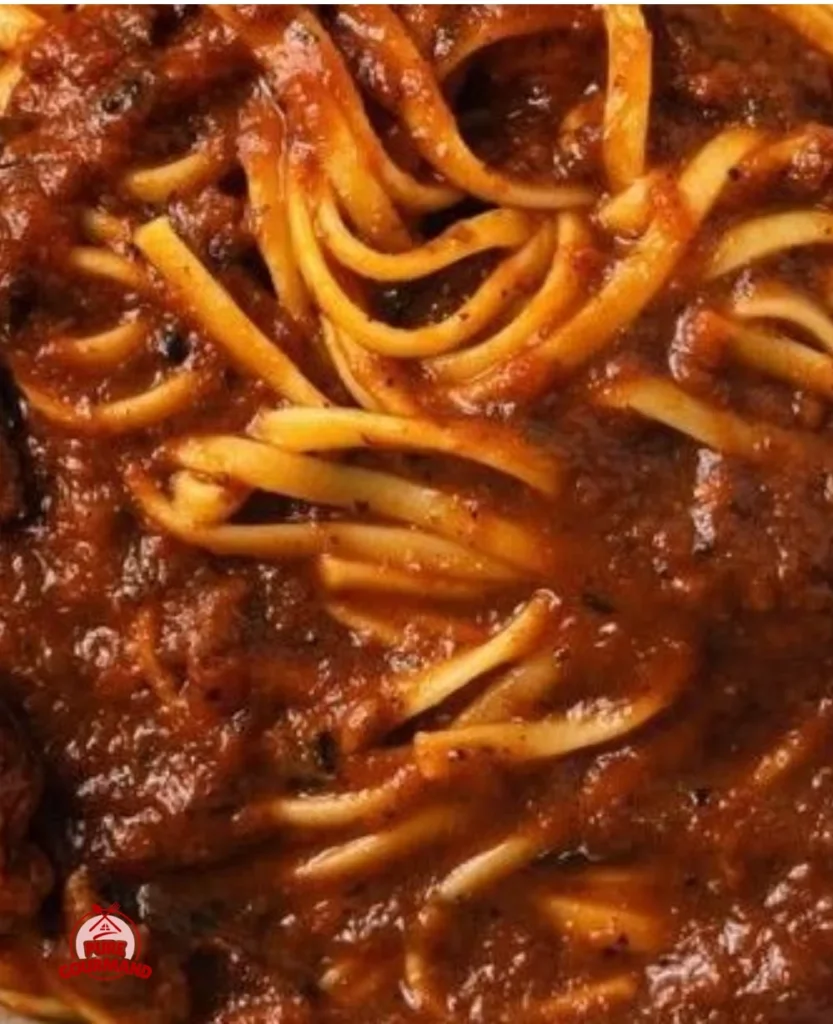
Real Italian pasta is a delightful dish that captures the essence of Italian cuisine. It’s a beloved comfort food enjoyed by many around the world. From creamy Alfredo to rich Bolognese, this pasta offers a variety of flavors that can please any palate.
why make this recipe
Making real Italian pasta at home allows you to enjoy the authentic taste of Italy. You can control the ingredients and customize your favorite sauces. Plus, it’s a fun way to gather family and friends around the table for a hearty meal.
how to make Real Italian Pasta
Ingredients :
- Fettuccine
- Heavy cream
- Butter
- Parmesan cheese
- Eggs
- Spaghetti
- Pancetta
- Black pepper
- Ground beef
- Onion
- Carrot
- Celery
- Tomato sauce
- Lasagna noodles
- Ricotta cheese
- Mozzarella cheese
- Tortellini pasta
- Fresh herbs
Directions :
- For fettuccine alfredo, cook fettuccine in salted water, then toss with butter, heavy cream, and Parmesan cheese.
- For spaghetti carbonara, cook spaghetti and mix with sautéed pancetta and beaten eggs, seasoned with black pepper.
- For bolognese, sauté onion, carrot, and celery, add ground beef, and cook until browned, then simmer with tomato sauce.
- For lasagna, layer cooked lasagna noodles with ricotta, mozzarella, bolognese sauce, and bake until bubbly.
- For tortellini, boil and serve with your choice of sauce and fresh herbs.
how to serve Real Italian Pasta
Serve real Italian pasta hot, garnished with fresh herbs or grated cheese to enhance flavor. Pair it with a simple salad and some garlic bread for a complete meal.
how to store Real Italian Pasta
Store any leftover pasta in an airtight container in the fridge. It is best eaten within a few days. For longer storage, you can freeze cooked pasta and sauce in separate containers.
tips to make Real Italian Pasta
- Use high-quality ingredients for the best flavor.
- Don’t overcook your pasta; it should be al dente.
- Always taste and adjust seasoning as needed.
- Feel free to mix and match sauces and types of pasta to find your favorite combinations.
variation
You can switch up the ingredients based on your preference. For instance, try using different vegetables in your Bolognese or add different cheeses to your lasagna.
FAQs
What type of pasta is best for carbonara?
Spaghetti is traditional for carbonara, but you can use other long pasta like fettuccine.
Can I make pasta ahead of time?
Yes, you can prepare the sauces ahead of time and store them in the fridge. Cook the pasta fresh just before serving.
What can I use instead of Parmesan cheese?
You can use Pecorino Romano cheese as a substitute for Parmesan in many Italian recipes.