Why Make This Recipe
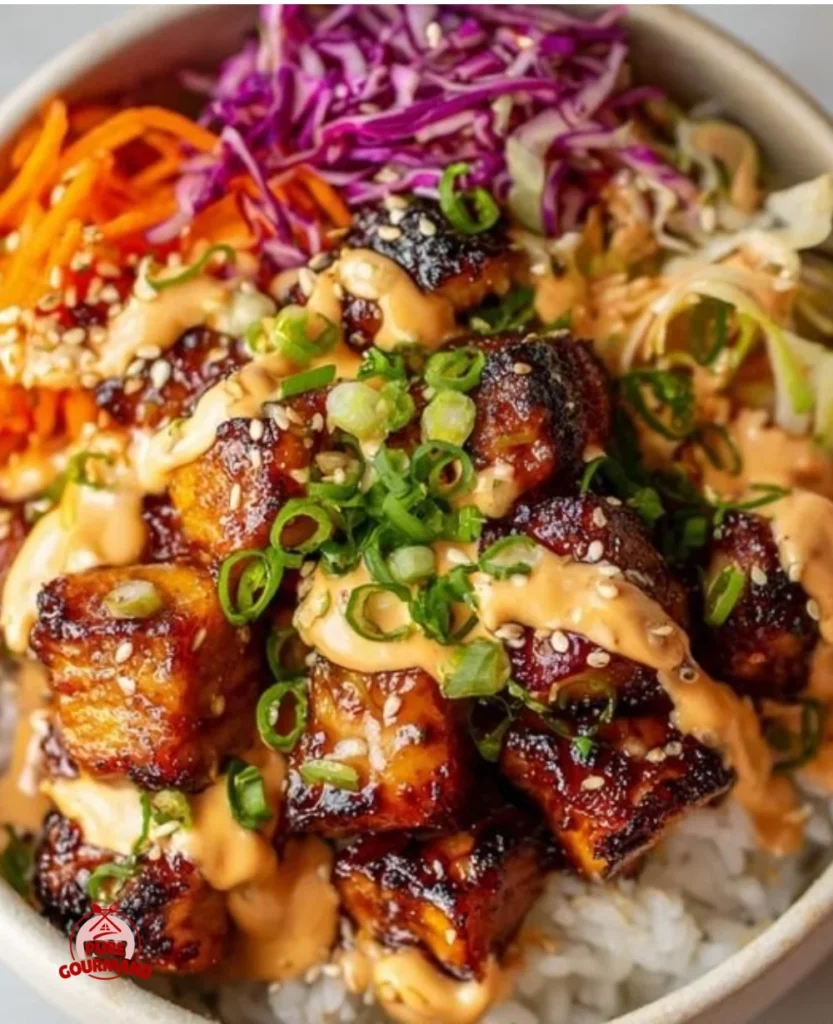
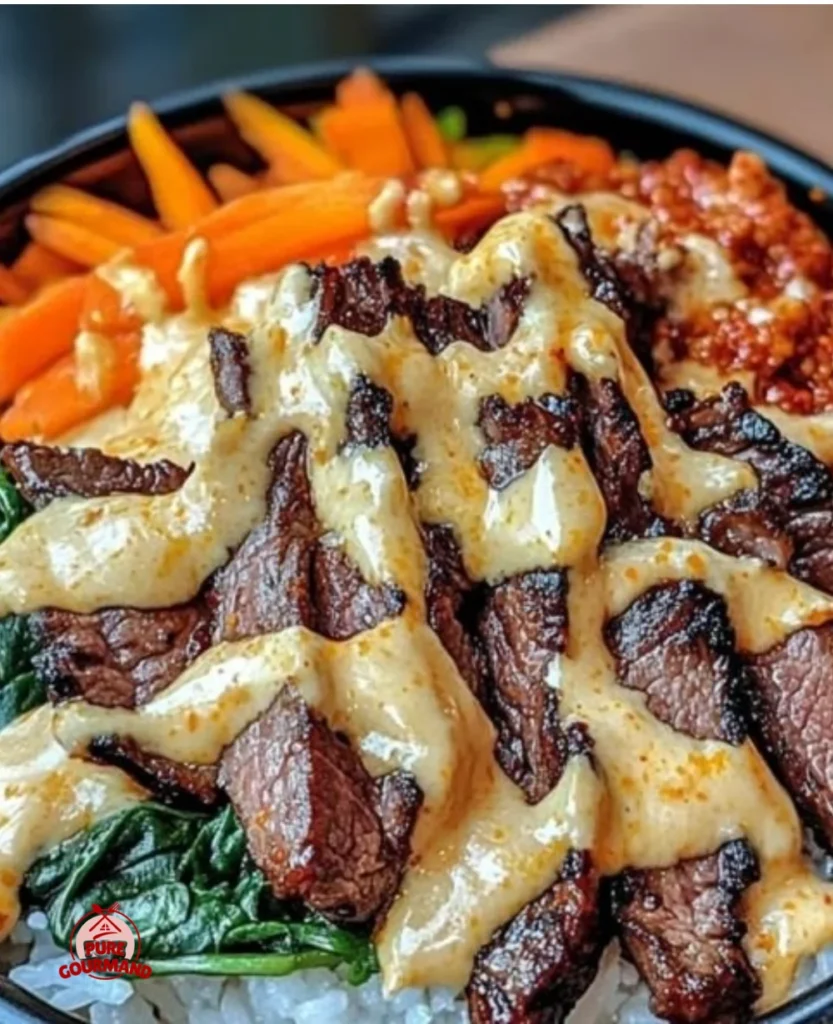
Korean Beef Bibimbap is a delicious and colorful dish that brings together rice, marinated beef, and fresh vegetables. It’s not only tasty, but also nutritious. The combination of flavors and textures makes it a satisfying meal for any time of the day. Plus, it’s easy to customize based on what you have on hand.
How to Make Korean Beef Bibimbap
Ingredients
- 1 pound beef (such as sirloin or flank steak)
- 2 cups cooked rice
- 1 cup assorted vegetables (e.g., carrots, zucchini, spinach, bean sprouts)
- 2 tablespoons vegetable oil
- 2 eggs
- 2 tablespoons gochujang (Korean chili paste)
- 2 tablespoons mayonnaise
- Salt and pepper to taste
- Sesame seeds for garnish
Directions
- Marinate the beef in salt, pepper, and a little oil for about 30 minutes.
- Grill or sear the beef in a hot pan until cooked through, then slice thinly.
- Sauté each vegetable separately in a little oil until tender.
- In another pan, fry the eggs sunny-side up.
- In a small bowl, mix gochujang and mayonnaise to make the aioli.
- To assemble, place a serving of rice in a bowl, top with the grilled beef, sautéed vegetables, and fried egg.
- Drizzle with gochujang aioli and sprinkle sesame seeds on top.
- Mix everything together before eating.
How to Serve Korean Beef Bibimbap
Serve Korean Beef Bibimbap in bowls. Each person can mix their ingredients together just before they eat. This makes it fun and interactive. You can serve it with extra gochujang on the side for those who like it spicier.
How to Store Korean Beef Bibimbap
If you have leftovers, you can store them in an airtight container in the fridge. The beef and vegetables can last for about 2–3 days. To enjoy leftovers, you can reheat everything in a pan or microwave. The rice may become a bit dry, so add a splash of water while reheating.
Tips to Make Korean Beef Bibimbap
- Allow the beef to marinate for longer for more flavor.
- Use any vegetables you like or have at home. Bell peppers, mushrooms, and radishes also work well.
- Try to cook the vegetables quickly to keep them bright and crunchy.
- If you want to make it vegetarian, substitute the beef with tofu or mushrooms.
Variation
For a twist, you can add kimchi to your bibimbap for extra flavor and heat. You can also try different sauces, like a spicy sesame dressing, to change up the taste.
FAQs
-
Can I use frozen beef?
Yes, but make sure to thaw it completely before marinating and cooking. -
Can I prepare bibimbap in advance?
Yes, you can prep the ingredients ahead of time, but it’s best to assemble it just before serving for the best taste and texture. -
What if I don’t have gochujang?
You can use another spicy sauce, such as Sriracha, but it will change the flavor profile of the dish a bit.